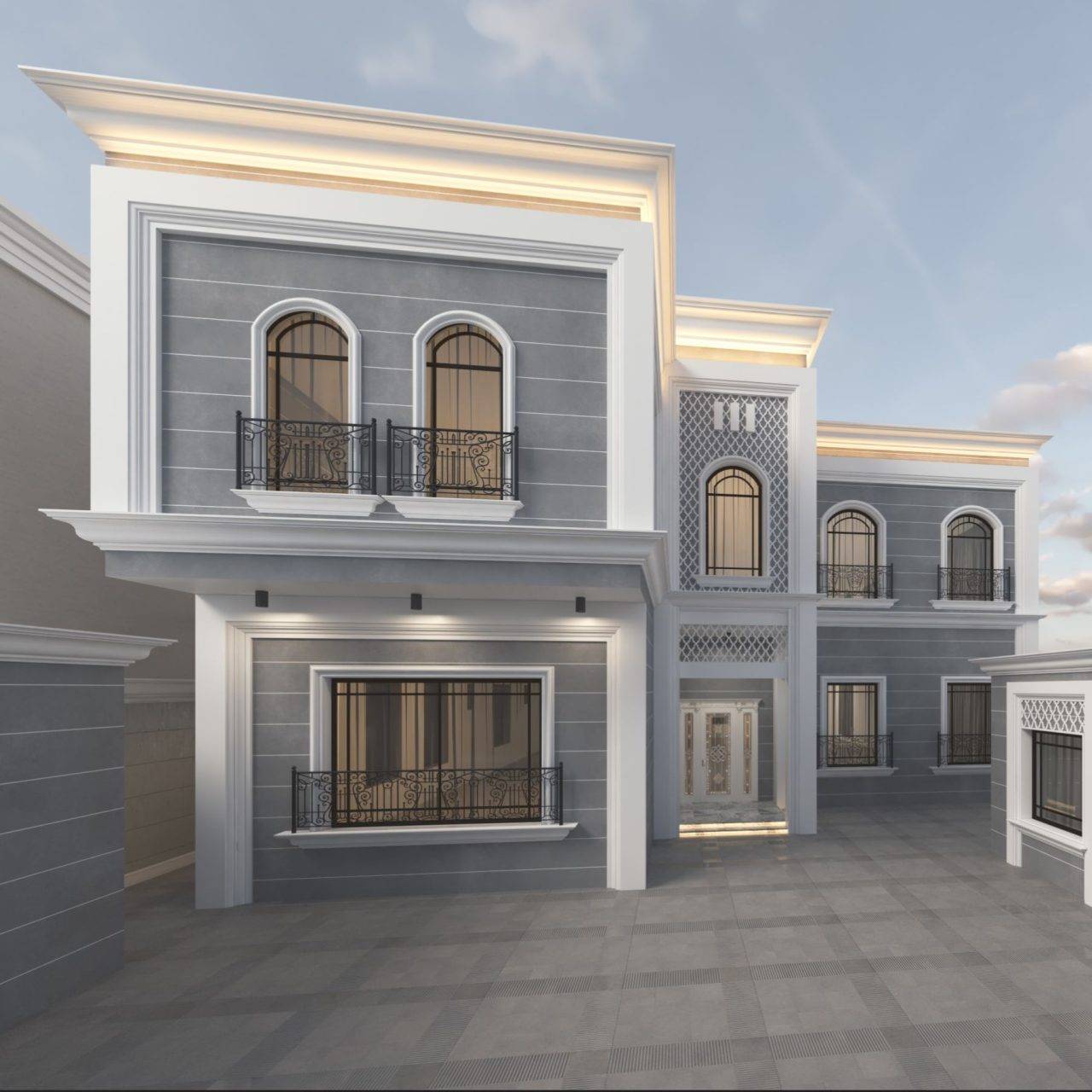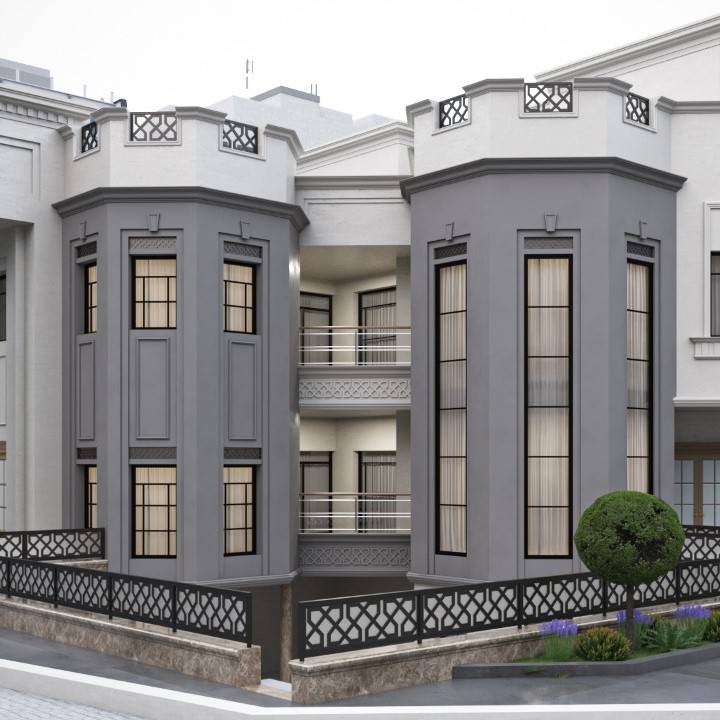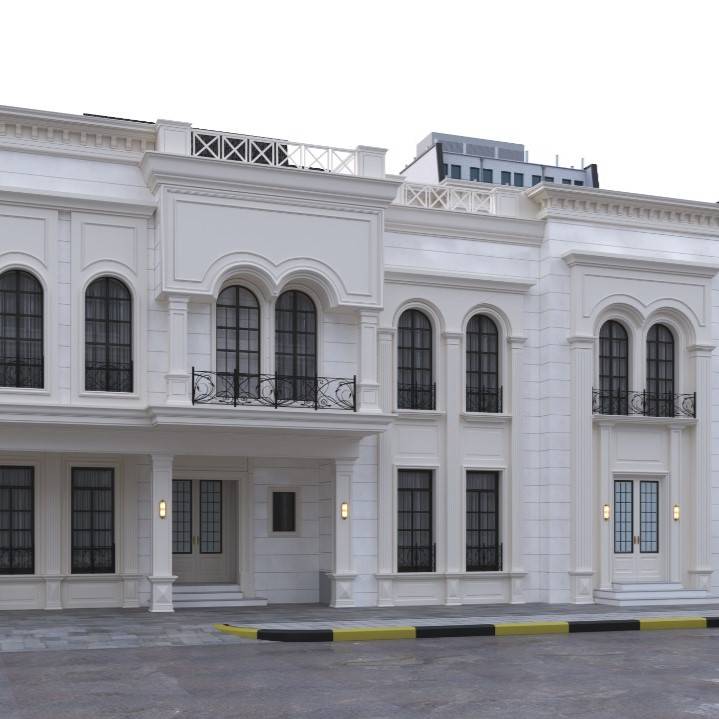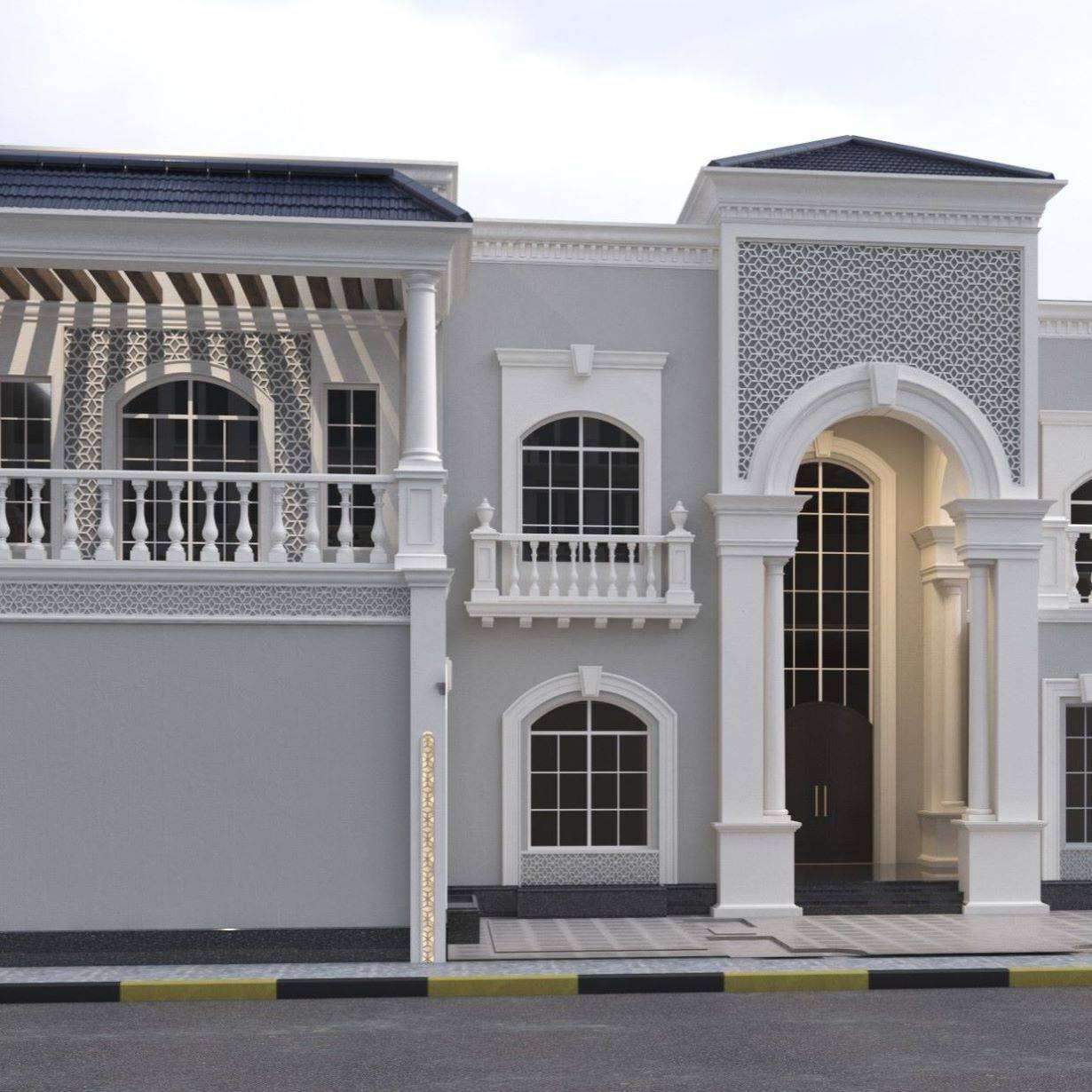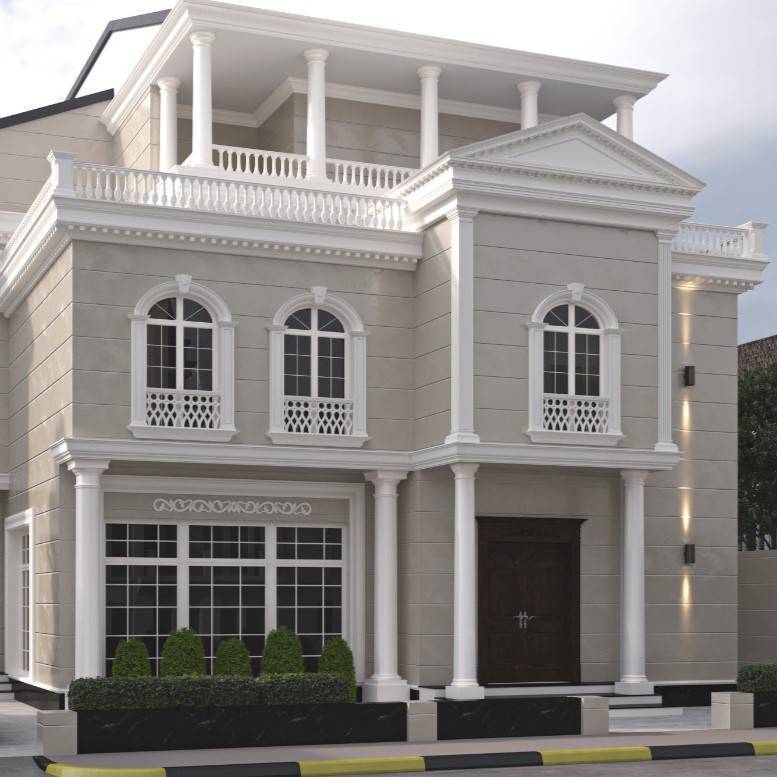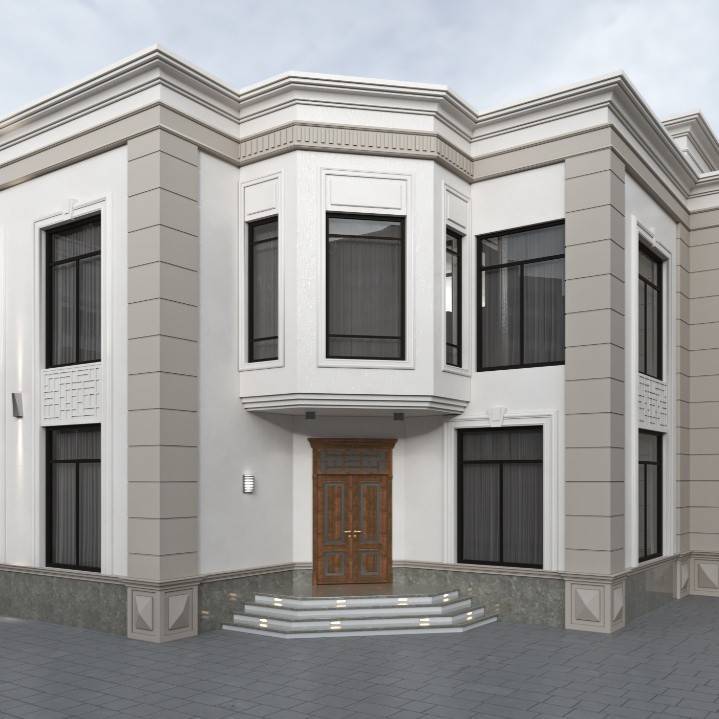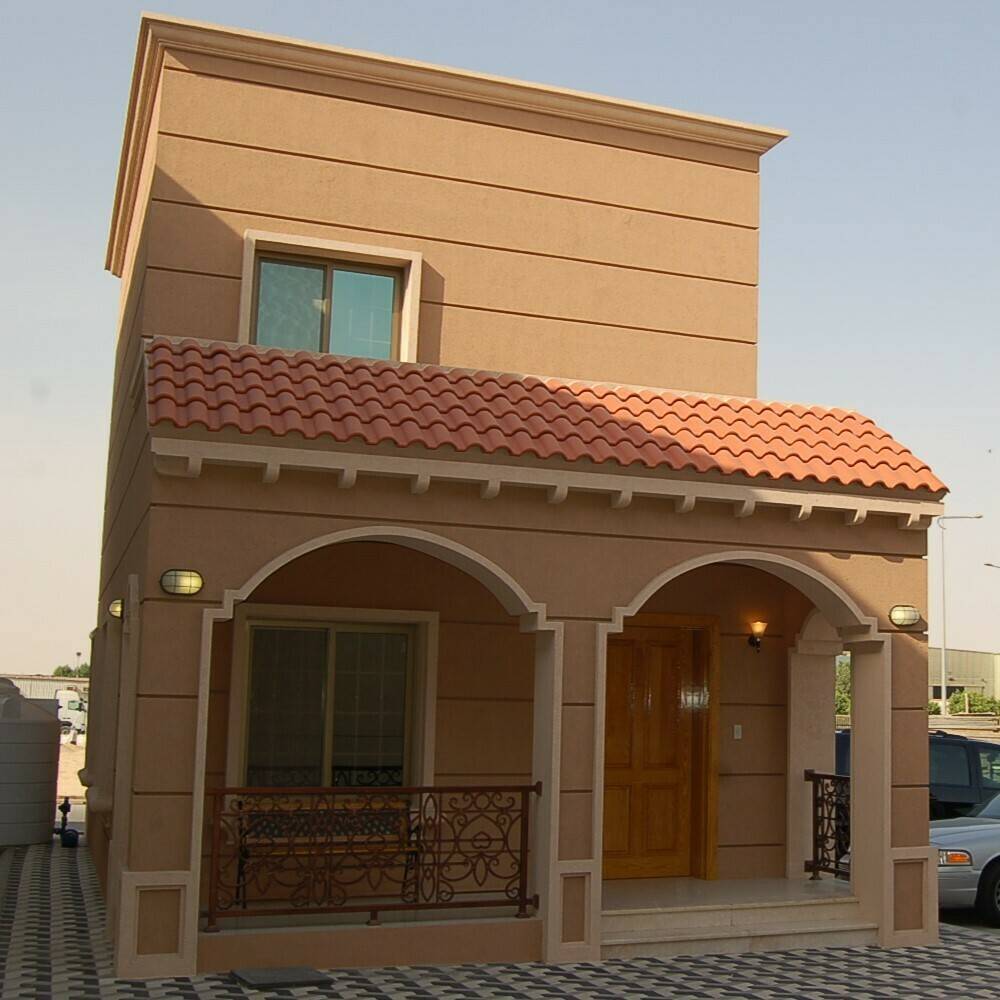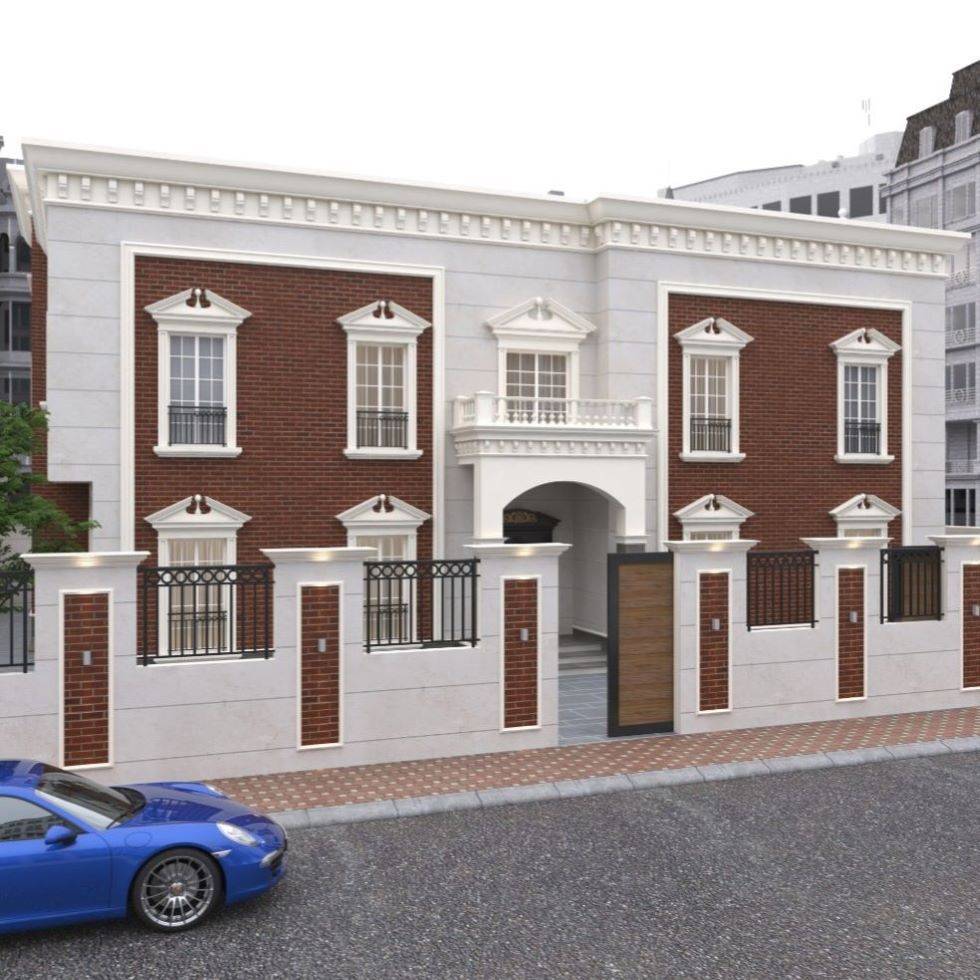

- Exterior Insulation and Finish Systems (EIFS) are increasingly adopted across the Gulf Cooperation Council (GCC) as a primary façade solution, from high-rise developments in Dubai to large residential estates in Riyadh. The appeal lies in their ability to combine energy efficiency with architectural versatility, addressing the region’s extreme heat while supporting contemporary design ambitions.
- Developers and architects are gradually replacing traditional concrete panels and conventional renders with EIFS to achieve continuous thermal insulation, reduced cooling loads, and refined façade aesthetics. Given that air conditioning accounts for a substantial portion of building energy consumption in the GCC, EIFS provides a technically sound response to rising energy costs, increasingly stringent green building codes, and national ambitions toward net-zero targets across Saudi Arabia, the UAE, Qatar, and neighboring markets.
- EIFS System Overview
- EIFS is a multi-layer exterior cladding system in which rigid insulation is applied to the building envelope and protected by reinforced coatings and decorative finishes. A typical EIFS assembly consists of insulation boards—commonly expanded polystyrene (EPS), though mineral wool variants are also available—mechanically fixed or adhesively bonded to the substrate. These boards are then reinforced with a fiberglass mesh embedded in a polymer-modified basecoat and finished with textured acrylic or silicone-based renders.
- Unlike traditional stucco or cement renders, EIFS accommodates thermal movement and provides continuous insulation, significantly reducing thermal bridging at slabs, columns, and beams. When properly detailed, the system also limits moisture ingress and improves long-term façade performance.
- Installation typically involves substrate preparation (concrete, masonry, or retrofit surfaces), application of adhesives and mechanical fixings to meet wind-load requirements, reinforcement with mesh and basecoat, and a final finish coat providing color, texture, UV resistance, and weather protection. In humid coastal environments, drainage or rain-screen EIFS variants are commonly specified to enhance moisture management.
- EIFS is lightweight, flat, and rapid to install compared with heavy façade systems, often reducing the need for large-scale lifting equipment or extensive structural support.
- System Components and Performance Characteristics
- · Finish Coat: Acrylic or silicone-based renders that provide UV resistance, moisture protection, and a wide range of textures and colors.
- · Anchors and Fixings: Plastic fasteners and adhesives designed to meet high wind-load requirements typical of GCC conditions, subject to project-specific testing and detailing.
- · Thermal Performance: EIFS assemblies can achieve U-values as low as approximately 0.2 W/m²·K, depending on insulation thickness and system configuration, significantly outperforming uninsulated block walls, which often exceed 2.0 W/m²·K.
- Addressing GCC Heat and Moisture Loads
- GCC summers routinely reach around 50°C with high humidity, creating substantial cooling loads. EIFS achieves energy savings by placing insulation on the exterior, reducing heat transfer into the building fabric.
- Empirical evidence from regional retrofit studies indicates notable cooling energy reductions (e.g., around 31% for walls alone, rising to approximately 47% with roof insulation), with corresponding reductions in CO₂ emissions. The low absorptivity of EIFS surfaces (typically less than 5%) and their vapor-permeable characteristics help manage condensation and indoor humidity, while silicone-based finishes offer resistance to abrasion, salt spray, and sand exposure.
- For example, there are observed reductions in utility costs for Saudi villas when employing EIFS compared with traditional insulated block constructions, with payback periods often in the 5–7 year range depending on local conditions and system selection.
- Energy Savings and Economic Viability
- Robust performance data from regional simulations and code comparisons indicate:
- Walls-first energy savings in the order of 31% for continuous insulation scenarios, with additional savings when integrated with roofing insulation.
- Whole-building energy savings in the range of 5–6% compared with alternative envelope systems such as autoclaved aerated concrete (AAC) blocks, due to full-envelope continuity.
- Long-term financial benefits: energy savings accumulate over a decade, contributing to reductions in peak demand and operational costs. In hospitality and commercial applications, EIFS can improve asset performance by lowering operating costs and enhancing project ESG profiles, aligning with financing frameworks and green ratings.
- Aesthetic Flexibility and Structural Considerations
- EIFS provides substantial design versatility, enabling curved geometries, textured surfaces, and color customization while remaining lighter than conventional cladding. This lightness reduces structural loads and can eliminate the need for structural reconfigurations when upgrading façades. Durable finishes and core materials (including mineral wool variants or fire-rated systems) offer tailored performance for fire safety and durability. The system supports retrofits by overlaying existing facades without extensive demolition, enabling façade improvements and insulation upgrades while accommodating service routes and architectural expressions.
- Durability, Maintenance, and Lifecycle
- Longevity: EIFS system commonly offers lifespans more than 50 years with moderate maintenance requirements.
- Resistance: Modern EIFS formulations withstand aggressive environments, including marine salinity and sand exposure, when properly specified and installed. Fire performance can be enhanced with mineral wool cores or other fire-rated components.
- Retrofit ability: Overlaying existing façade with EIFS minimizes demolition waste and can improve thermal performance and indoor comfort.
- Cost, Construction Speed, and Lifecycle Economics
- EIFS installation is typically faster and lighter than traditional blockwork or stone cladding, with productivity gains enabling higher daily outputs. Installed costs in GCC contexts can be competitive, often lower than insulated block systems when factoring lifecycle energy savings. The lightweight nature of EIFS contributes to reduced foundation loads and potential savings in structural cost. Over a typical project lifecycle, energy efficiency gains and reduced repainting or maintenance requirements further strengthen the economic case for EIFS.
- Challenges and Risk Management
- Potential challenges historically associated with EIFS—such as moisture management or installation quality—are mitigated through:
- Drainage-oriented designs and grooved panels in humid climates.
- Fire-rated core options and compliance with local fire safety codes.
- Local capacity-building initiatives that emphasize proper adhesive selection, anchor detailing, and workmanship standards.
- Ongoing quality assurance and warranty considerations through certified installers and manufacturer-supported programs.
- Policy Alignment and Market Outlook
- GCC policy trajectories emphasize energy efficiency and decarbonization, with targets tied to building codes, green agendas, and efficient road maps. EIFS aligns with these objectives by delivering measurable energy performance, supporting retrofit programs, and contributing to ESG and sustainability ratings. Market analysts project continued uptake, aided by retrofits, supply chain localization, and the push toward sustainable financing mechanisms.
- Conclusion: Future Directions
- Emerging developments include hybrid systems combining EIFS with phase-change materials (PCMs) for peak-load management, graphene-enhanced insulation for ultra-low U-values, and modular, offsite-fabricated façade assemblies to expedite construction. Fire-safe, bio-based core options are being explored to enhance circularity and end-of-life feasibility, including recycling of foam components into other applications. As grid reliability becomes a growing concern and energy tariffs rise, EIFS is likely to maintain its prominence as a cooler, more cost-effective, and aesthetically versatile façade solution in the GCC.
-
- References & Technical Sources
- This article is informed by:
- Technical documentation from EIFS system manufacturers and façade solution providers
- Regional construction publications and GCC-focused industry journals
- Energy performance studies on exterior insulation systems in hot and humid climates
- Market analyses on façade systems and energy-efficient building envelopes in the GCC